Why choose the French Antilles for medical care?
Excellence of care at European standards
Martinique and Guadeloupe deliver European-standard healthcare. As French overseas territories, their hospitals follow the same strict protocols as any in France or Europe. The flagship facilities – like the University Hospital of Martinique (UHM) – offer top-tier medical expertise. (Learn more about UHM on our dedicated page). Patients are treated by board-certified specialists trained in France, using internationally accredited procedures. For example, the University Hospital in Fort-de-France is fully accredited and has scored over 95% on recent quality assessments, reflecting its commitment to excellent care. In short, when you seek treatment in the French Antilles, you’re accessing world-class medical care on par with the best in Europe or North America – often from the same doctors who’ve practiced in Paris or Miami.
Discover our service Care For Me

State-of-the-art hospital infrastructure in Martinique and Guadeloupe
Martinique and Guadeloupe boast modern, well-equipped hospitals that rival facilities in larger countries. The University Hospital of Guadeloupe has just opened a brand-new 85,000 m² medical complex with cutting-edge technology and a design meeting the latest standards (including seismic safety). These hospitals feature advanced diagnostic and treatment equipment: multi-slice CT and MRI scanners (including 3 Tesla MRI for ultra-detailed images), fully digital radiology suites, cardiac catheterization labs, and even a new cyclotron in Martinique to produce isotopes for PET scans. Surgical theaters are equipped for complex procedures – Martinique’s surgeons can use a Da Vinci surgical robot for minimally invasive operations, and Guadeloupe’s cancer center operates a CyberKnife for precision radiotherapy. Such technology is rare elsewhere in the Caribbean. By choosing care in Martinique/Guadeloupe, patients get access to the latest medical equipment without leaving the region. For instance, if you require a sophisticated cancer diagnostic exam or an intricate heart procedure, it can be done locally with the same high-tech tools available in major U.S. or European hospitals.
Comprehensive range of specialties available for medical tourism in French West Indies
One major advantage of medical travel to the French Antilles is the breadth of medical specialties covered. The hospitals in Martinique and Guadeloupe are full-service, tertiary care centers. They have experts in cardiology, oncology, neurosurgery, orthopedics, pediatrics, obstetrics, nephrology, urology, gastroenterology, and more – nearly every domain of medicine. This means Caribbean patients can receive all needed treatments in one place. For example, a cancer patient can get surgery, chemotherapy, and radiation therapy all at the same hospital, under one coordinated team. A child with a complex condition can see pediatric specialists and surgeons without going to multiple countries. These islands serve as the reference medical hub for the Eastern Caribbean; indeed, many neighboring nations already send their most challenging cases to Fort-de-France or Pointe-à-Pitre. So whether you need a routine procedure or a multi-disciplinary treatment plan, Martinique and Guadeloupe have you covered with world-class expertise across the board.
Proximity and easy access for Caribbean patients
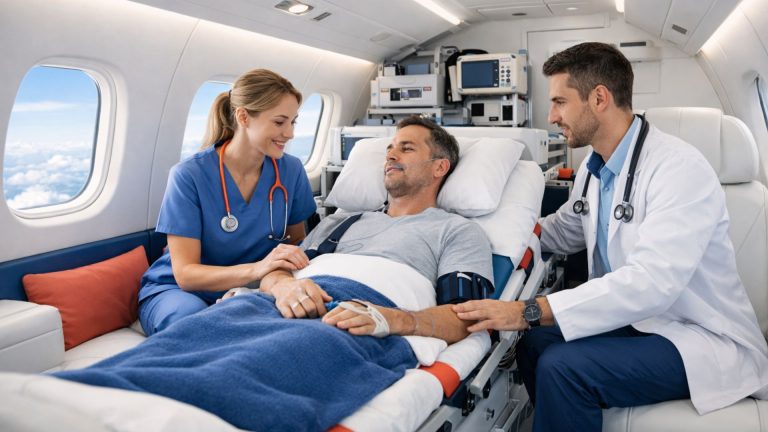
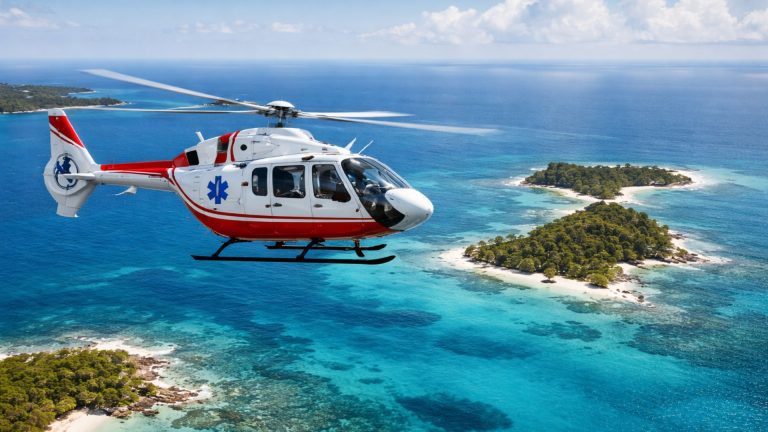
Unlike traveling to the U.S. or Europe, coming to Martinique or Guadeloupe is quick and convenient for Caribbean residents looking for care services. Both islands are centrally located in the Lesser Antilles, just a short flight from places like Saint Lucia, Antigua, Barbados, or Dominica. In many cases, a patient can fly in under 2 hours to Martinique – even less for nearby islands (e.g., 30 minutes from St. Lucia). This close proximity reduces travel strain, which is especially important if you’re ill or in pain. It also simplifies logistics: no lengthy transatlantic flights or major time zone changes. Additionally, travel costs are lower than going to far-off destinations. The French Antilles have modern international airports with frequent regional connections. In urgent cases, air ambulances can reach these islands swiftly (Fort-de-France and Pointe-à-Pitre both have facilities to receive medevac flights at any hour). Overall, seeking care in Martinique/Guadeloupe means you can stay within the Caribbean neighborhood, making the journey to treatment as smooth as possible for both patients and accompanying family members.
Easy Access from Canada and low/no Language Barrier
It’s also worth mentioning Canada, especially Quebec, as a convenient access point to Martinique and Guadeloupe. With direct flights available from Toronto, Montreal, and Quebec City, travel is straightforward and quick, with no time difference for travelers from Quebec and no language barrier for French speakers. Additionally, these destinations are particularly popular among Canadian snowbirds who want to combine high-quality medical care with a sunny getaway, all while enjoying a culturally familiar environment.
Safe and secure healthcare environment
As departments of France, Martinique and Guadeloupe offer a safe, regulated healthcare environment. Hospitals here adhere to the rigorous standards of French healthcare oversight – which include strict infection control, high nurse-to-patient ratios, and continuous quality monitoring. Patients can trust that medications are EU-approved and that facilities are regularly inspected. Politically, these islands are stable and secure, so there’s no added risk traveling here for treatment. Also, if you’re worried about things like cleanliness or blood supply safety (concerns that sometimes arise with certain low-cost medical tourism spots), you can be assured that the French Antilles meet top-tier criteria. Essentially, choosing Martinique/Guadeloupe means peace of mind – you’ll be treated in a first-world setting where patient safety is paramount and emergencies are well managed. Many patients find comfort in knowing that if any complication arises, they are in a fully equipped hospital with ICU, specialist consultations on-call 24/7, and even an established patient rights framework (in line with French law) to protect them. This sense of security is a significant part of the appeal of medical tourism in the French Antilles.
Language and cultural familiarity
For Francophone Caribbean patients, the French Antilles feel culturally familiar and linguistically comfortable. If you’re from Haiti, Guadeloupe/Martinique are ideal because French and Creole are spoken everywhere – you can communicate with doctors and nurses in your native language. Even if you’re from a smaller island like Dominica or Saint Lucia where Creole is common, you’ll find many similarities in Martinique’s Creole and culture. For English-speaking patients, it’s true that French is the official language here, but don’t worry: many medical staff also speak English, especially in departments that frequently handle international patients (like the International Patient Office, or specialists who trained abroad). Additionally, West Indies Assistance provides interpreters and bilingual support, so language barriers are fully managed. On the cultural side, Martinique and Guadeloupe share the Caribbean hospitality and warmth – patients often comment on the friendly, attentive care they receive, which makes them feel at home. Plus, being in a tropical French island means you get a unique blend of European professionalism with Caribbean empathy. This combination can be very reassuring: you get the best care without feeling out of place.
➡️ Ready to benefit from these advantages? Learn how West Indies Assistance can coordinate your treatment in Martinique/Guadeloupe
Discover our service Care For Me Or Contact us for personalized assistance.

The medical strengths of Martinique and Guadeloupe
Regional reference hospitals
Each island is home to a major university teaching hospital that serves as a center of excellence for the entire region. In Martinique, the main facility is the Centre Hospitalier Universitaire de Martinique, known in English as the University Hospital of Martinique (UHM). It’s a large academic hospital in Fort-de-France with over 1,300 beds and virtually every medical department. In Guadeloupe, the equivalent is the Centre Hospitalier Universitaire de la Guadeloupe, or University Hospital of Guadeloupe, which has just moved into a brand-new complex in Les Abymes (near Pointe-à-Pitre). These hospitals are tertiary care centers – meaning they handle the most complex cases and are staffed with top specialists and subspecialists. They also have 24/7 emergency departments and ICUs, making them ideal for urgent transfers. The university hospital status also means they are training the next generation of doctors and are involved in research, which keeps them at the forefront of medical knowledge. For a patient coming in, being in a CHU (University Hospital Center) ensures you have entire teams behind your case – surgeons, physicians, anesthesiologists, radiologists, all collaborating on your care plan. These hospitals are the best-equipped and highest-capacity in the Eastern Caribbean, so much so that smaller surrounding islands rely on them for advanced care. Choosing Martinique or Guadeloupe effectively means choosing to be treated at the Caribbean’s leading hospitals.
Advanced medical technology and equipment
Both Martinique and Guadeloupe have invested heavily in modern medical technology. For example, the University Hospital of Martinique has multiple MRI machines (including a high-powered 3.0 Tesla MRI for ultra-detailed scans) and a state-of-the-art PET scan facility for cancer diagnostics. By early 2024, Martinique will be operating the first medical cyclotron in the Caribbean, allowing on-island production of isotopes for PET imaging and advancing cancer care. Guadeloupe’s new hospital is outfitted with brand new operating theaters, intensive care units, and imaging departments. The hospitals have linear accelerators for radiotherapy to treat cancer, meaning a cancer patient from a neighboring island can complete weeks of radiation therapy without leaving the region. There are specialized units such as cardiac catheterization labs for angioplasty and stenting during heart attacks (fully on par with what you’d find in an American heart center), endoscopy suites for minimally invasive procedures, and dialysis units for kidney patients. Notably, Martinique’s CHU has a Da Vinci robotic surgery system, which surgeons use for precise minimally invasive surgery in urology and gynecology (e.g., prostate or gynecological cancer surgery with faster recovery). This level of equipment is far above what’s available in most other Caribbean hospitals. For patients, it means no compromise on treatment options – anything from a complex neurosurgery needing an intraoperative MRI, to a delicate eye surgery with laser guidance, can be done right here. You won’t have to skip a certain therapy or settle for an older technique just because you stayed in the Caribbean; Martinique and Guadeloupe’s tech arsenal matches that of any leading hospital internationally.
Highly qualified medical specialists
The medical teams in Martinique and Guadeloupe are a major strength. Doctors here are typically French-trained or have international credentials, and many have split their careers between the Caribbean and Europe. For example, you might be operated on by a surgeon who practiced in Paris for 15 years before returning home, or seen by a cardiologist who did a fellowship in Canada. All doctors must meet the rigorous French medical board standards. In practice, Caribbean patients find that physicians in Martinique/Guadeloupe are not only highly skilled, but also up-to-date on the latest treatments (through continuous training and research tie-ins with France). These hospitals are teaching institutions, so they attract bright young resident doctors and fellows, keeping the environment academic and cutting-edge. Nursing staff and allied health professionals are also excellent – many nurses undergo advanced training and the nurse ratios are high, meaning patients get attentive care. Communication is prioritized: in the University Hospital of Martinique, for instance, they have an International Patients unit where staff are experienced in guiding overseas patients through the process, ensuring all questions are answered. In terms of trust and reliability, being treated under the French system guarantees a high level of professionalism: there are strict ethical rules, mandatory continuing education, and well-defined procedures for everything. All of this translates to top-notch outcomes – surgical success rates, infection rates, etc., in Martinique/Guadeloupe are equivalent to those in Europe. When you come here, you’re effectively getting a French medical team on your case, which is about the best endorsement one can have in healthcare.
Affordable, transparent costs
Despite offering first-class care, the cost of treatment in Martinique and Guadeloupe is often significantly lower than in the USA or Europe. Because these hospitals operate within the French public health system, their charges are regulated and standardized. Self-pay patients are charged according to official French tariffs, which tend to be far more reasonable than U.S. hospital bills. For example, a complex surgery that might cost USD $50,000 in a U.S. hospital could cost a fraction of that in Martinique – often on the order of 30–50% less. There are no surprise bills: you will know in advance the expected cost (we provide detailed quotes during the planning phase). Moreover, while cost should never come before quality, it’s reassuring that here you often get higher quality at a lower cost. This is partly due to France’s not-for-profit healthcare model; even for overseas patients, charges are not inflated. Many Caribbean residents find that even with travel expenses, going to Martinique or Guadeloupe saves money compared to going further abroad for the same treatment. Additionally, insurance and aid programs can often be applied. Some international health insurance plans treat Martinique/Guadeloupe as “in-network” or at least as acceptable providers, which means they will reimburse care here similarly to how they would in the U.S or Europe – but since prices are lower, your insurance cap goes further. In certain cases, local governments or organizations (such as OECS governments or Rotary clubs) offer financial support for their citizens to get care in Martinique/Guadeloupe. All in all, patients can expect fair and transparent pricing – and a final bill that typically offers excellent value considering the caliber of treatment received.
Discover our service Care For Me

Comparison with other medical tourism options in the Caribbean
To put Martinique and Guadeloupe in context, let’s briefly compare them to other well-known Caribbean medical tourism destinations:
- Dominican Republic (DR): The DR has become a popular low-cost medical tourism hub, especially for cosmetic surgery and dental work. Many private clinics in Santo Domingo and Santiago cater to U.S. and Latin American patients with package deals. Costs in the DR are indeed very low – often 50-70% cheaper than in the U.S.. However, the focus in DR is usually on elective procedures like plastic surgery, bariatrics, or routine dental implants. For highly complex or emergency care, the DR might not be the top choice, and there have been safety concerns in some cases (for example, a number of widely publicized infections from cosmetic surgeries in the DR). Language in the DR is Spanish, but many clinics serving foreigners have English-speaking staff. Overall, the Dominican Republic is an option if cost is the primary factor and the procedure is straightforward – but patients should research accreditation and outcomes carefully. In contrast, Martinique/Guadeloupe offer comprehensive hospital-based care (not just electives) in a tightly regulated system, which can be a more reassuring environment for serious health issues.
- Cuba: Cuba has a long history of welcoming foreigners (especially from Latin America and Africa) for medical care at specialized centers like Cira García Clinic in Havana. Cuban doctors are famously well-trained, and costs are extremely low (often subsidized). Cuba excels in areas like ophthalmology (eye surgery) – their “Operación Milagro” program has restored sight to countless patients – and some niche treatments like certain cancer vaccines unique to Cuba. The challenge with Cuba can be accessibility and communication: Americans face travel restrictions, and for English speakers, translation is almost always needed. Facilities, while generally effective, may not have the luxury amenities some travelers expect (some equipment can be old, supplies limited due to embargo constraints). The quality of care in Cuba is good, but the overall experience (food, accommodations, waiting times) can be spartan. Martinique and Guadeloupe, on the other hand, marry high medical quality with a more comfortable, Western-style patient experience – private rooms, modern infrastructure, easy communication, etc. Also, Cuba might not cover the breadth of specialties (for example, high-end cardiac surgery or neurosurgery for foreigners might be less accessible there), whereas the French Antilles cover practically everything.
- Other Caribbean nations (Jamaica, Bahamas, Cayman, Barbados): A few other islands have made strides in healthcare – for instance, the Cayman Islands opened a hospital (Health City Cayman Islands) with Indian healthcare partners focusing on cardiac surgery and orthopedics, aiming at American medical tourists. The Bahamas and Barbados have some private clinics/hospitals that attract regional patients (often for things like IVF, or executive check-ups). However, these are relatively limited in scope. Most Eastern Caribbean nations do not have the full range of services; they typically send patients to Martinique/Guadeloupe or to Miami for advanced care. Jamaica has decent hospitals and a medical school, but they mostly serve local needs and haven’t positioned themselves as international destinations yet (aside from maybe for some dental or minor surgeries for diaspora patients visiting home). In summary, no other English-speaking Caribbean island currently offers the combination of extensive specialties, ultra-modern tech, and internationally validated quality that Martinique and Guadeloupe do. That’s why, for instance, a stroke patient in St. Lucia or a premature baby in Antigua will likely end up in Martinique or Guadeloupe for the best possible care.
When weighing options, it comes down to trade-offs: the Dominican Republic and Cuba might be less expensive overall, but with potential language barriers or limited specialization; the French Antilles might cost a bit more than those, but they provide top-tier quality with no compromises and still at a sensible price, all within a nearby, secure environment. For Caribbean residents seeking critical medical treatment, Martinique and Guadeloupe often represent the ideal middle ground between global quality and regional convenience.
For a personal consultation on what’s right for you, feel free to Contact us. We can help you compare options and make an informed choice.

What types of care are Caribbean patients seeking in Martinique/Guadeloupe?
Patients from different Caribbean countries come to Martinique and Guadeloupe for a wide range of medical services, usually those not readily available or reliable in their home system. Here are some of the top categories of care that attract patients:
Major surgeries and specialized procedures – Medical tourism Martinique Guadeloupe
Many patients travel for complex surgeries that require advanced surgical teams or facilities. For example, Martinique and Guadeloupe are go-to destinations for heart surgery (such as open-heart bypass operations or heart valve replacements), since few other islands offer these. Guadeloupe’s CHU has a renowned cardiac surgery unit – often, a patient from an OECS country with a serious heart condition will be referred there rather than to the U.S., due to proximity and cost. Neurosurgery is another big one: if someone in a neighboring island has a brain tumor or suffers a traumatic brain injury, the French Antilles are likely where they’ll be sent, because there are neurosurgeons and neurology ICUs available (whereas many islands have none). Similarly, vascular surgeries (like repairing aneurysms or doing bypasses on leg arteries) bring patients in, since these delicate procedures need vascular surgeons and high-tech imaging support which Martinique/Guadeloupe provide. Essentially, any surgery that’s high-risk or high-complexity – things like spine surgery, advanced ENT (ear-nose-throat) surgeries, complicated abdominal surgeries – are sought in Martinique/Guadeloupe. The reason is simple: patients and doctors alike trust the surgical teams here to have the right expertise and backup. The safety net of having full ICU and specialists on hand makes these islands the smart choice for major operations.
Cancer diagnosis and treatment (Oncology)
Cancer care is a significant draw for medical travel to Martinique and Guadeloupe. Many smaller islands do not have comprehensive cancer centers – often lacking radiation therapy or oncology specialists. In Martinique/Guadeloupe, by contrast, a patient can get a full oncology workup and treatment plan. Common scenarios include: a patient from St. Vincent might come to Martinique for a combination of cancer surgery and follow-up radiotherapy; or a patient from Guyana might travel to Guadeloupe for specialized chemotherapy infusion not available at home. The French Antilles offer oncologic surgery (with experienced surgical oncologists for breast, colon, lung cancers, etc.), chemotherapy units (where modern chemo regimens are administered under expert supervision), and radiation oncology with linear accelerators and brachytherapy. They even offer newer treatments like immunotherapy and access to clinical trials in some cases, thanks to their connection with French research networks. Importantly, they have the supportive infrastructure: pathology labs for biopsy analysis (critical for accurate diagnosis), imaging for staging (PET scans, etc.), and tumor board meetings to plan care. Given that time is critical in cancer, patients often find that coming to Martinique/Guadeloupe gets them faster access to treatment than waiting to be sent overseas via government programs. Plus, being closer to home makes it easier for family to support them during what can be a weeks- or months-long treatment journey. In sum, for cancer patients in the Caribbean, Martinique and Guadeloupe are increasingly the preferred option to get top-notch, timely cancer care without the burden of traveling to the US or France.
Orthopedic and trauma care
Orthopedic surgery is a frequent reason for seeking care in the French Antilles. This includes both elective orthopedic procedures – like joint replacements (hip or knee replacements) – and trauma surgeries for fractures or injuries. Many Caribbean islands can handle basic fractures but might struggle with complex cases (multi-fragment fractures, spinal injuries) or have long waiting lists for things like knee replacements. In Martinique/Guadeloupe, there are dedicated orthopedic surgeons who perform these procedures daily. A patient from Barbados with severe arthritis might come to Guadeloupe for a knee replacement and benefit from a fast recovery with modern implants and techniques. Likewise, someone who had a bad car accident in Antigua could be transferred to Martinique’s trauma center for definitive surgery with orthopedic, neuro, and plastic surgeons all available to repair multiple injuries in one go. Another example is scoliosis surgery or other spine surgeries – these require a well-trained team and often ICU and neuro-monitoring; Martinique’s team does these, while most islands do not have that capacity. Post-surgery, rehabilitation services (physiotherapy) are available in Martinique/Guadeloupe, enabling patients to start recovering under professional guidance before going home. Given the prevalence of sports injuries and accidents, having such a robust orthopedic/trauma service nearby is invaluable. Patients choose to go to Martinique/Guadeloupe for ortho care because they know they’ll get modern surgical techniques (like arthroscopic ligament repairs, minimally invasive fracture fixation, etc.) and a low complication rate. In short, when it comes to bones and joints – whether it’s a new hip, fixing a broken leg, or correcting a spinal issue – the French Antilles are the region’s orthopedic surgery hub.
Cardiology and cardiovascular care
Heart-related issues are another major category. Cardiology is well covered in Martinique and Guadeloupe, whereas many islands have only basic cardiology services. Patients come for both emergency heart care and planned cardiac interventions. On the emergency side, suppose someone in St. Lucia has a big heart attack (STEMI) – they may be flown to Guadeloupe the same day for an emergency angioplasty and stent placement in the cath lab, literally saving their life by opening the blocked artery within hours. On the planned side, someone with angina or known coronary disease might travel to Martinique for an elective angiography and possible stenting if needed. Both CHUs have 24-hour Cath Labs and Cardiac Intensive Care Units, making them the safest place to be in the event of a serious heart event. Beyond that, electrophysiology services are available: for instance, if a patient has a severe arrhythmia (irregular heartbeat), doctors in Guadeloupe can install a pacemaker or defibrillator, or perform an ablation procedure to fix certain rhythm disturbances. Additionally, Martinique’s hospital can do advanced heart imaging (like cardiac MRI) to diagnose conditions that might be missed elsewhere. And as noted earlier, open-heart surgeries (for valve replacements, bypass surgery, etc.) are done in Guadeloupe’s cardiac surgery unit. This means a patient with, say, a valve disease from Dominica can get their valve repaired in the Caribbean instead of being sent to Miami. Stroke care (neurology) is closely related: Martinique has a stroke unit that provides clot-busting treatments for ischemic strokes – neighboring islands often send stroke patients there emergently to benefit from that therapy within the golden window. All in all, for cardiovascular issues – whether it’s the heart or major blood vessels – Martinique and Guadeloupe offer life-saving and life-enhancing treatments that are otherwise hard to come by in the region.
High-risk maternity and neonatal care
Mothers and babies form another group of patients who travel for care. High-risk obstetric cases – for example, a pregnancy with serious complications such as placenta previa/accreta, severe pre-eclampsia, or twins/triplets in premature labor – often cannot be handled safely in a small local hospital. These mothers are frequently air-ambulanced to Martinique or Guadeloupe, where there are Level III maternity units and Neonatal Intensive Care Units (NICUs) capable of caring for both the mother and the premature or distressed baby. It’s common for extremely premature infants (born at, say, 28 weeks or earlier) from neighboring islands to be transferred to the NICU at Fort-de-France, which has advanced incubators, ventilators for newborns, and neonatologists on staff 24/7. Similarly, if a baby is born with a congenital anomaly that needs immediate surgery (like a bowel obstruction or a heart defect), Martinique’s pediatric surgeons can operate within the first days of life, something impossible in most small islands. For parents, going to Martinique/Guadeloupe in these scenarios can make the difference between life and death for the newborn. Additionally, pediatric intensive care for older infants and children is available, so children with severe illnesses (like trauma, severe infections, etc.) are sometimes sent to the French islands for critical care. Essentially, Martinique and Guadeloupe serve as the tertiary pediatric and maternity care centers for the region. Families find comfort in the fact that they can stay relatively close to home (the flight for a mother in labor from, say, Grenada to Martinique is short) while still accessing world-class maternal-fetal medicine and neonatology. These services are a major reason that survival rates for premature babies and complicated pregnancies are improving in the Eastern Caribbean – because they can be managed in the French Antilles’ excellent facilities.
Renal care (dialysis and kidney transplants)
Patients with kidney disease also benefit from the resources in Martinique and Guadeloupe. Many Caribbean nations have basic dialysis centers now, but not all can handle more complex renal cases or the complications of dialysis. Martinique and Guadeloupe each have extensive dialysis units (including some run by private companies in partnership with the hospital), and they can accommodate visiting dialysis patients short-term as well. For instance, if a dialysis patient from Montserrat needs to travel for a family matter, they could arrange to have dialysis sessions in Martinique during their stay, through West Indies Assistance. More critically, the French Antilles are pivotal for renal transplant support. While the actual transplant surgery often happens in mainland France (due to donor allocation systems), Martinique’s nephrology team often does the pre-transplant evaluation and post-transplant follow-up for Caribbean patients. So a patient might be evaluated in Fort-de-France, sent to Paris for the transplant, then return to Martinique for their early post-op checks and labs before going home – a much more efficient pathway than staying in Paris for months. It’s worth noting that efforts are underway to possibly start a local transplant program in Martinique; they already perform bone marrow transplants for certain conditions, and kidney could be next. Lastly, acute renal failure cases (like someone whose kidneys shut down from infection or poisoning) might be sent to Martinique’s ICU for emergency dialysis and management, especially if multi-organ support is needed. In essence, for anything kidney-related – dialysis, transplant prep, or complicated nephrology – Martinique and Guadeloupe offer services that complement and strengthen those in the rest of the Caribbean.
Weight-loss (bariatric) surgery
With the rising rates of obesity and diabetes in the Caribbean, bariatric surgery (weight-loss surgery) is increasingly in demand. Procedures like gastric sleeve or gastric bypass can be life-changing, resolving diabetes and hypertension. While places like the Dominican Republic and Mexico have marketed bariatric surgery to international patients, Martinique and Guadeloupe are now becoming attractive for regional patients who want a mix of safety and accessibility. The bariatric surgery program in Martinique, for example, follows strict French guidelines – patients undergo thorough assessments and prep, and the surgeries are done by experienced surgeons using minimally invasive (laparoscopic) techniques. A patient from Trinidad might choose to do their gastric bypass in Martinique under West Indies Assistance’s arrangements, enticed by the high standard of care and the comprehensive follow-up (including nutritional counseling in English, etc.). The cost may be a bit higher than in the DR, but the patient gets all the support of a hospital setting and a multidisciplinary team (surgeon, dietitian, psychologist, etc.). Importantly, any complications from bariatric surgery (like a leak or a clot) can be immediately managed in the ICU, which may not be the case in a smaller clinic elsewhere. We’ve noticed a growing trend of patients from the English-speaking Caribbean opting for Martinique’s bariatric center because they feel more confident in the outcomes and like being relatively close to home for such a major life event. West Indies Assistance helps by coordinating the necessary communication between the patient’s local doctor and the surgeons, arranging an initial consult (possibly via telemedicine, then in person), and handling the travel logistics for what usually is about a 1-week stay. Weight-loss surgery can significantly improve quality of life, and Martinique/Guadeloupe offer a safe route to achieve those health goals within the Caribbean itself.
Cosmetic surgery and dental care
While Martinique and Guadeloupe are not primarily marketed as cosmetic surgery hotspots (the Dominican Republic and Colombia attract more cosmetic patients internationally), some do travel here for elective procedures like cosmetic surgery or advanced dental treatments. The advantage the French Antilles provide is the same high medical standards for these elective procedures. A patient who is wary of the quality control in a cheaper cosmetic clinic might instead choose a board-certified plastic surgeon in Martinique for a tummy tuck or facelift, even if it costs more, simply for the peace of mind regarding safety. The volume of such cases is smaller, but it exists; for example, some French Caribbean expatriates or neighboring island residents prefer to have their cosmetic procedures done in Martinique during a vacation, to combine recuperation in a pleasant environment with trustworthy care. Similarly, for dentistry, while routine dental work is available at home for most, there are complicated cases – like full-mouth implants, jaw surgery, or complex oral reconstruction – that can be done by oral surgeons in Martinique/Guadeloupe’s hospital-based dental units. These surgeons often collaborate with ENT or maxillofacial specialists for difficult jaw surgeries (such as correcting deformities or treating oral tumors). A patient from a smaller island with a complex dental problem might come to Martinique because they know a multi-disciplinary approach can be offered (dentists + surgeons + hospital if needed). Although cosmetic and dental cases are not the bulk of medical tourism to the French Antilles, it’s reassuring for patients that if they choose to have such procedures here, they will be under the care of fully accredited professionals in a regulated environment. And they get to recover in a beautiful island setting too!
Request an offer and enjoy medical tourism in Martinique and Guadeloupe

Patient expectations: quality, cost, timelines, and support
When traveling abroad for healthcare, patients naturally have certain expectations about the experience. Here’s how Martinique and Guadeloupe, with the assistance of West Indies Assistance, meet and exceed those expectations:
Top-quality care with excellent outcomes
The foremost expectation is receiving high-quality medical care – that’s the whole reason for traveling. Patients coming to Martinique or Guadeloupe can expect outcomes equal to those at leading hospitals internationally. Surgeries are performed by expert surgeons with complication rates as low as in Europe. Infections are rare due to stringent hygiene. The medications, devices (like implants, stents, prosthetics), and techniques used are the same cutting-edge ones used in France or the U.S. Essentially, patients get the best chance at a good outcome by being here. Moreover, they expect to find comprehensive care – and indeed, they do: a complex case will be handled by a whole team (for instance, a cancer patient’s care will involve surgeons, oncologists, radiologists, nutritionists, etc., all coordinating). There’s also an expectation of adherence to protocols and professionalism – French hospitals are big on this, with regular audits and a culture of evidence-based practice. The peace of mind knowing you’re in a system where quality and patient safety are ingrained is huge for patients. Many who come to Martinique/Guadeloupe for care later report that the quality not only met but exceeded their expectations – they often mention more personalized attention and thoroughness compared to experiences in larger countries. In short, patient expectation #1 (top-notch care) is fully met: Martinique and Guadeloupe deliver world-class outcomes consistently.
Transparent and reasonable costs
Another key expectation is knowing what it will cost and feeling that the price is fair. Medical bills can be a source of anxiety; patients traveling for care want to avoid the horror stories of surprise bills. With West Indies Assistance facilitating, all costs are clearly communicated upfront. Before a patient even travels, WIA obtains a detailed quote from the hospital, listing what the treatment will involve and the cost breakdown (hospital stay, surgeon fee if any, anesthesia, etc.). Patients appreciate this transparency – they can budget accordingly and decide with full information. Additionally, due to the standardized nature of French healthcare pricing, there are rarely unexpected extra charges unless the treatment scope changes (which would be discussed). In terms of level, as discussed earlier, the costs in Martinique/Guadeloupe are often significantly lower than in the US or even places like Puerto Rico or the Bahamas. Patients expect that if they’re traveling to a relatively less expensive region, they should save money – and in the French Antilles they usually do, while still getting superior care. This “value for money” often exceeds expectations: some patients have been pleasantly surprised when they received their final invoice and saw it was exactly as quoted or even a bit less (for example, if a certain consumable or extra day wasn’t needed, they won’t be charged for it). In summary, patient expectations for a clear, affordable cost are met – they get European-quality care at Caribbean prices, with no financial guesswork. (For individualized cost estimates, WIA provides quotes before you decide – so you’ll know what to expect down to the euro.)
Timely access and efficient service
Patients traveling for care usually expect to get it done faster than they would at home, where waiting lists might be long. Martinique and Guadeloupe shine in this regard. Once a case is accepted, West Indies Assistance works to schedule the procedure or appointment as soon as medically feasible. Because these hospitals have considerable capacity and prioritize international referrals appropriately, patients often find they can have surgery or treatment much sooner than if they waited elsewhere. For example, if you need a hip replacement and at home you’d wait 12 months, in Martinique it might be arranged within a few weeks after evaluation. In urgent cases, the responsiveness is immediate – we’ve organized emergency transfers in hours, and the patient went straight into an operating room upon arrival. Patients also expect that things will run on time when they arrive (no unnecessary delays). Our team coordinates to minimize any lags – e.g., pre-op tests are booked for the day after arrival, surgery the following day, etc., in a tight sequence, so you’re not spending extra days waiting around. This efficient handling typically impresses patients. We often hear comments like “I can’t believe how quickly everything happened – I inquired at the end of the month and had my procedure done and dusted by the middle of the next month.” Additionally, within the hospital, appointments are kept on schedule better than in many places – clinics in these CHUs aim to respect appointment times (emergencies can always cause slight delays, but generally they do well). So the expectation of a timely, efficient healthcare experience is largely met or exceeded. We understand that when you travel for care, you don’t want to waste time – and Martinique/Guadeloupe’s system, assisted by WIA’s coordination, ensures you get prompt attention and streamlined service from start to finish.
Supportive, guided experience throughout
Patients expect that if they are going to a foreign place for treatment, they will need and receive guidance and support during the journey. West Indies Assistance was essentially created to fulfill this
Request your personalized quotation and enjoy medical tourism in Martinique and Guadeloupe