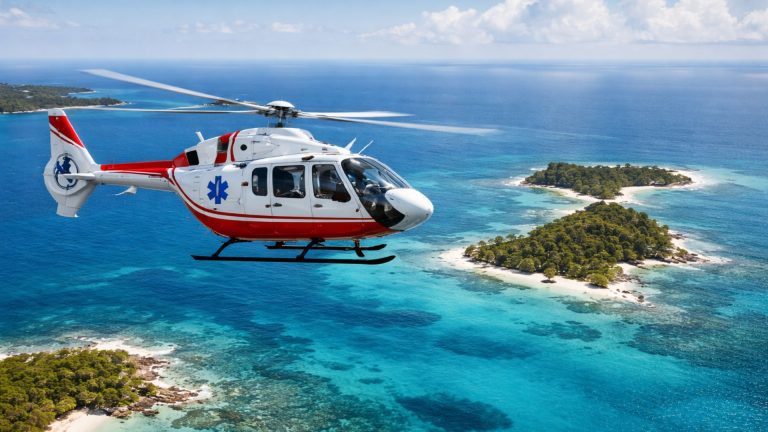
When you’re enjoying a relaxing vacation in the Caribbean, medical emergencies are rarely part of your travel plans. Yet, a tourist medical emergency in the Caribbean situation can occur at any time, whether due to accidents, infectious diseases, or sudden health complications.
From sun-drenched beaches in Antigua to rainforest trails in Dominica and coastal resorts in Jamaica or the Dominican Republic, travellers face varying risks related to climate, activities, and unfamiliar environments. Each destination presents unique health risks linked to heat, humidity, water quality, and local infrastructure.
Knowing how to respond to a tourist medical emergency in the Caribbean is essential for your safety, wellbeing, and peace of mind. Access to reliable medical care, professional guidance, and emergency support can significantly influence recovery outcomes and long-term health..
This guide provides practical advice to help you manage medical emergencies confidently while protecting your health, safety, and security throughout your holiday.
Many travellers underestimate how quickly a medical situation can escalate when they are far from their usual healthcare providers. Differences in healthcare standards, availability of specialists, and access to diagnostic equipment may affect treatment decisions. Understanding these factors in advance allows visitors to anticipate potential limitations and identify reliable medical support before arriving at their destination.
Preparing for emergencies is not about creating anxiety, but about strengthening resilience and ensuring rapid access to appropriate medical care if needed.
Have you ever considered how prepared you truly are for an unexpected health crisis overseas?
Get immediate medical travel assistance

Understanding Tourist Medical Emergency in the Caribbean, Safety, and Security for Travellers
Exploring the Caribbean offers unforgettable experiences, but travellers should remain attentive to personal safety and security at all times. Tropical climates increase exposure to dehydration, heat exhaustion, dengue, food-related illnesses, and insect-borne infections.
Natural disasters such as hurricanes, earthquakes, and floods may disrupt healthcare access and transportation networks, increasing the severity of a tourist medical emergency in the Caribbean when medical facilities become temporarily inaccessible.
Travellers should also be aware that unfamiliar food, physical exertion, and long travel times may aggravate underlying medical conditions. Monitoring personal health and recognising early warning signs helps prevent minor issues from escalating.
Basic first aid knowledge, awareness of symptoms, and early medical consultation remain key components of responsible travel.
Travel Insurance, Medical Transport, and Emergency Coverage for a Tourist Medical Emergency in the Caribbean
Travel insurance is a fundamental safeguard when visiting the Caribbean. Comprehensive coverage protects against medical expenses, evacuation costs, and unexpected hospital admissions during a tourist medical emergency in the Caribbean.
A strong policy may include:
- Emergency medical treatment
- Medical transport services
- Ground ambulance transfers
- Air ambulance service support
- Repatriation assistance
In addition, some policies integrate health insurance benefits for overseas treatment and follow-up care. This combined protection ensures continuity of medical attention throughout the recovery process.
Reviewing exclusions, coverage limits, and pre-existing condition clauses before departure is essential to avoid gaps in protection.
Travellers should also verify whether their policy includes case management services, which coordinate communication between hospitals, insurers, and evacuation providers—an essential factor during complex tourist medical emergencies in the Caribbean.
In complex cases, coordinated insurance support can significantly improve patient outcomes by accelerating access to specialist consultations and advanced medical facilities.
Identifying Emergency Contacts and the Local Healthcare System During a Tourist Medical Emergency in the Caribbean
Before travelling, it is essential to understand the local healthcare system and emergency infrastructure. Knowing emergency contacts in advance can save valuable time during critical situations.
Preparation steps include:
- Saving local emergency numbers
- Locating nearby hospitals and clinics
- Identifying private and public medical facilities
- Registering embassy contact details
Many Caribbean islands operate modern hospitals staffed by qualified doctors and nurses, like in Martinique or in Guadeloupe, for instance. However, resources may be limited in remote areas, increasing the likelihood that a tourist medical emergency in the Caribbean will require transfer to larger centres.
Understanding where to seek medical attention improves response time and reduces unnecessary stress.
Request emergency travel medical guidance
Air Ambulance, Ground Ambulance, and Medical Transport Options
In serious tourist medical emergencies in the Caribbean, rapid transfer to specialised facilities is essential. This is where professional medical transport becomes critical.
Available options include:
- Ground ambulance for short-distance transfers
- Air ambulance service for critical long-range evacuations
- Medical escorts on commercial flights
- Coordinated safe transport services
These solutions ensure continuity of patient care and rapid access to advanced treatment. Medical teams onboard manage vital signs, medication, oxygen support, and stabilisation throughout transport.
Efficient coordination between medical providers and transport teams reduces complications and improves recovery outcomes.

Medical Repatriation and Medical Flights for Serious Tourist Medical Emergencies in the Caribbean
When local treatment is insufficient, medical repatriation becomes necessary. Patients may be transferred to their home country or specialised international hospitals.
Medical flights are equipped with advanced medical supplies and staffed by experienced professionals trained in managing complex medical needs. These services ensure stable patients and critically ill individuals receive appropriate monitoring and care.
Repatriation is often required for major surgeries, neurological conditions, cancer treatment, or long-term rehabilitation unavailable locally.
Insurance support remains essential for managing these transfers efficiently.
When Medical Escorts Support Safe Patient Care
For stable patients affected by a tourist medical emergency in the Caribbean, medical escorts offer an effective alternative to full air ambulance transport.
- Assist during flights
- Coordinate airline approvals
- Manage medical equipment
- Support boarding and transfers
- Monitor patient condition
They are particularly useful for elderly travellers, individuals recovering from surgery, or patients with chronic medical conditions requiring ongoing observation.
This service ensures continuous patient care while reducing overall costs.
Navigating Hospitals, Clinics, and Trusted Medical Providers
Tourist zones often host accredited hospitals and clinics experienced in treating international visitors. These medical facilities follow international standards and provide multilingual services—an important factor during a tourist medical emergency in the Caribbean.
Selecting a reliable medical provider ensures quality diagnosis, appropriate medical treatment, and clear communication.
Travellers should inquire about:
- Accepted insurance plans
- Specialist availability
- Diagnostic capabilities
- Follow-up procedures
- Access to well-equipped facilities improves treatment accuracy and patient confidence.
Connect with international assistance services
Preparing Emergency Contacts, Medical Supplies, and Travel Documents
Careful packing supports rapid response during emergencies.
Essential items include:
- Prescribed medications
- Copies of prescriptions
- Basic medical supplies
- Insurance documents
- Emergency contact lists
Travellers should also carry medical history summaries, vaccination records, and allergy information. This documentation supports accurate diagnosis and treatment decisions.
Digital backups further improve accessibility.

Communicating Effectively with Medical Services
Clear communication improves treatment quality and reduces misunderstandings.
- Useful strategies include:
- Using translation applications
- Providing detailed medical history
- Sharing insurance information
- Requesting written instructions
Establishing cooperative relationships with healthcare staff supports better patient care and emotional reassurance.
The Role of Medical Evacuation in Travel Safety
Medical evacuation services provide critical backup during major emergencies. They connect travellers to advanced facilities when local care is insufficient.
- These services are essential during:
- Remote excursions
- Natural disasters
- Severe injuries
- Serious illness
- Complex infections
Understanding evacuation procedures improves preparedness and enables faster intervention when time is critical.
Travellers with specific medical needs, such as diabetes, cardiovascular disease, respiratory disorders, or mobility limitations, should consider pre-travel medical consultations. These consultations allow healthcare professionals to review treatment plans, adjust medications, and recommend preventive measures based on destination-specific risks.
Personalised medical preparation improves treatment continuity and reduces complications during international travel.
Frequently Asked Questions
How much does it cost to evacuate from the Caribbean?
Costs range from £10,000 to over £50,000 depending on distance, condition, and transport type. Insurance significantly reduces expenses.
Which islands offer the best healthcare?
Martinique, Barbados, Jamaica, Puerto Rico, and the Dominican Republic are known for strong medical infrastructure. Researching local facilities is recommended.
Is healthcare free for tourists?
Most islands provide subsidised care for residents only. Visitors typically pay unless insured.
How can I get official health advice before traveling?
Consult your doctor and review guidance from the Centers for Disease Control before departure.
Conclusion: Staying Prepared for a Tourist Medical Emergency in the Caribbean
A medical emergency abroad can be overwhelming, but preparation reduces risks and improves outcomes. By understanding the healthcare system, securing comprehensive travel insurance, and planning emergency contacts, travellers protect their health and wellbeing.
From Antigua’s beaches to resorts in Jamaica and the Dominican Republic, professional medical transport, reliable providers, and structured assistance ensure continuity of patient care.
In the Caribbean region, experienced partners such as West Indies Assistance play a key role in coordinating emergency response, medical transport, and local support, helping travellers access timely and appropriate care when unexpected situations arise.
With informed travel tips, proactive planning, and appropriate coverage, visitors can enjoy their Caribbean holiday with confidence, knowing that support is available if needed.
What steps will you take to protect your health and safety on your next trip?